4.2M
acres of wetlands in North Carolina
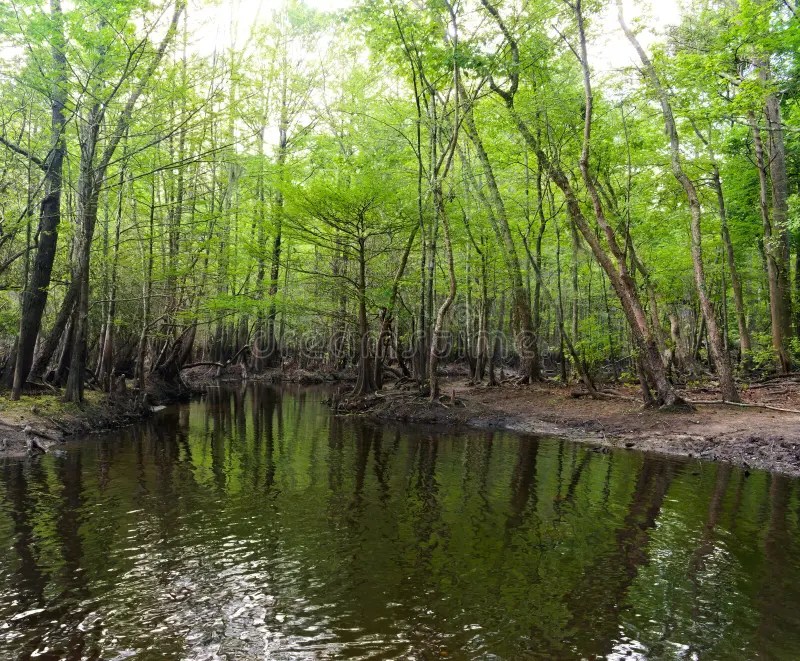
(Photographer, Year)
Spring 2026 · BIOL-4244 · Dr. Wells
How weakened protections, political decisions, and poor enforcement regimes threaten the state’s waters and wetland communities.
What this portfolio argues
Wetlands buffer floods, support biodiversity, improve water quality, and shape North Carolina’s ecological resilience. Yet recent legal narrowing has reduced protection for many wetlands that still matter hydrologically and biologically.
This site follows that mismatch across history, law, ecology, and conservation response, arguing that wetland vulnerability in North Carolina is not only a habitat issue, but also a governance problem.
At a glance
4.2M
acres of wetlands in North Carolina
~14%
of the state’s land area
30,000
isolated wetlands described as no longer protected
Why this matters now
Wetlands store and slow water, reducing downstream flood risk for homes, roads, and communities.
Small, isolated, and seasonal wetlands can still be critical habitat for amphibians, birds, fish, and invertebrates.
When legal definitions narrow, ecologically meaningful wetlands can fall outside protection.
Explore the portfolio
See how drainage, conversion, and changing legal definitions shaped the current problem.
02Follow the narrowing after Sackett and the consequences of a stricter jurisdictional test.
03See how state choices exposed vulnerable wetland systems to greater risk.
04Evaluate legal reform, mapping, restoration, and community-based conservation.
Argument map
Wetlands support biodiversity, hydrology, water quality, and resilience across North Carolina landscapes.
Legal definitions do not always track ecological function, especially for isolated or seasonally connected systems.
State policy, mapping, restoration, and public visibility must compensate for weakened federal protection.
Visual summary
Earlier baseline
Current vulnerability
Start here: The full argument begins on the Overview page, where the issue unfolds from wetland function to legal narrowing to conservation response.
Wetlands matter → law decides what counts → narrowed law excludes ecologically real wetlands → North Carolina becomes more vulnerable → conservation must respond North Carolina’s wetlands are increasingly vulnerable as the legal definition of protected waters has narrowed at the federal level and state-level protections remain uneven. By excluding many isolated and geographically disconnected wetlands from automatic protection, recent policy changes have increased the risk of habitat loss, hydrologic disruption, biodiversity decline, and weakened water-quality safeguards. These changes matter especially in North Carolina, where wetland systems support amphibian diversity, flood control, nutrient retention, and broader ecological resilience.
This portfolio examines the historical context of wetland protection before and after the Clean Water Act, traces the policy and legal developments that weakened protections, and explains why those changes are especially significant for North Carolina. It also evaluates several conservation approaches, including regulatory reform, restoration efforts, and scientific monitoring, while reflecting on the broader challenges of conservation in politically contested landscapes.
Spring 2026 · BIOL-4244 · Dr. Wells
How weakened protections, political decisions, and poor enforcement regimes threaten the state’s waters and wetland communities.
 North Carolina Wetlands At Risk